How to Calculate Cv and Select the Right Valve Size

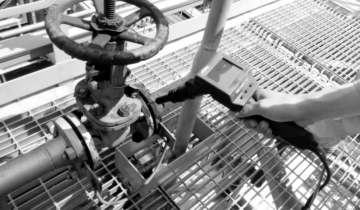
Choosing a control valve size is a calculation followed by a judgement. The calculation gives the flow coefficient the duty demands, and the judgement picks a valve from the manufacturer table whose rated coefficient puts the operating points in the right part of the travel. An undersized valve cannot deliver the maximum flow, and an oversized one spends its life…

Steam Pressure and Temperature Reduction Systems

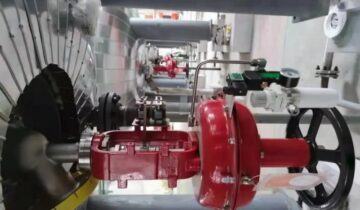
Boilers and distribution mains run at pressures and temperatures chosen for efficiency, while most processes need steam at far milder conditions. Between the two sits the reduction station, and getting it right matters more than the piping around it suggests. Throttling steam to lower the pressure leaves the temperature almost unchanged, since the expansion is close to isenthalpic, so a…

Tank Blanketing Systems: Nitrogen Supply and Relief

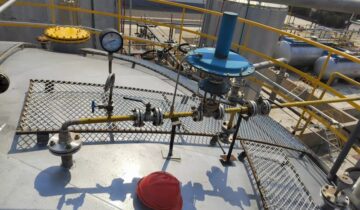
Storage tanks hold liquids that have to stay clean, stable and safe for weeks or months at a time, and the space above the liquid is where most of the trouble starts. When the tank breathes, moist air gets in, oxygen reacts with the product, vapour escapes and is lost, and with flammable liquids a flammable atmosphere can form. Nitrogen…

Control Valve Not Responding: A Troubleshooting Guide

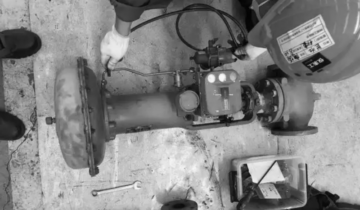
When a control valve stops responding, the fault can sit anywhere in the loop: the signal, the positioner, the air supply, the actuator or the valve itself. The fastest way to find it is to walk the chain from the control signal down to the final element, rather than swapping parts and hoping. Check the Control Signal Start at the…

Control Valve Selection: An 8-Step Process

Picking a control valve is really a sequence of decisions, and each one depends on the ones before it. Skip a step and you can end up with a valve that is too small, unstable at the operating point, or unable to shut off when it should. The eight steps below, taken in order, produce a specification you can verify…

Control Valve Leakage Classes: Class IV, V and VI

The leakage class of a control valve sets the maximum leakage allowed past the plug and seat when the valve is closed. Standards such as FCI 70-2, ANSI B16.104 and IEC 60534-4 define six classes, I to VI, with increasingly tight limits. The right class is a balance between shut-off requirements, the media and cost. The Six Classes The classes,…

Close
Close
Sign in
Close
Cart (0)

No products in the cart. No products in the cart.