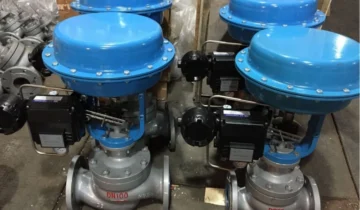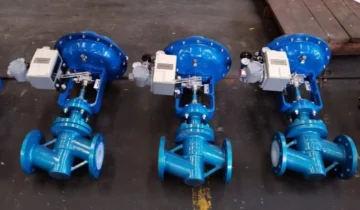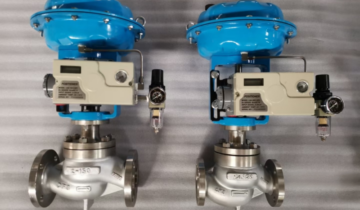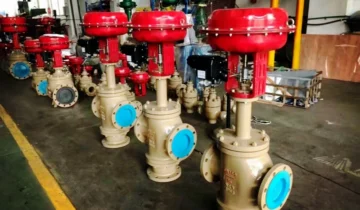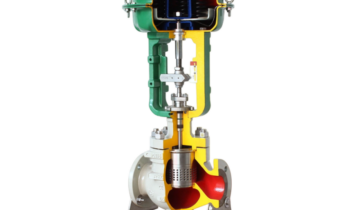
The Main Components of a Pneumatic Control Valve

The complete structure of a pneumatic control valve comprises the internal throttling parts, known as the trim and including the plug, seat, cage and seals, together with the valve body that houses them and the actuator that drives the plug. The main components are as follows: Valve Body The valve body is one of the main components of the valve,…

Pneumatic Control Valve Components: Diaphragm, Diaphragm Cover and Packing

The performance and reliability of a pneumatic control valve depend on a few key components of its actuator: the diaphragm that converts the pneumatic signal into mechanical motion, the diaphragm cover that protects and connects the diaphragm, and the packing that seals the valve stem. Understanding these three components helps with valve selection, commissioning and troubleshooting. The Role of the…

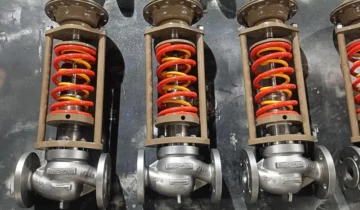
How to Choose a Self-Operated Pressure Regulator: A Four-Scenario Selection Guide

Positioning of Self-Operated Pressure Regulators in Process Control A self-operated pressure regulator is a control valve that requires no external air or power supply, relying only on the pressure of the process medium itself to stabilize or limit pressure. Essential difference from externally powered control valves Comparison Dimension Self-Operated Pressure Regulator Electric / Pneumatic Control Valve Driving energy No external…

How to Choose a Self-Operated Temperature Control Valve

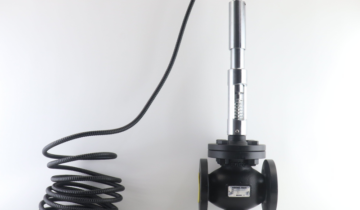
In the chemical, petroleum, pharmaceutical, food processing and HVAC industries, temperature control is a critical link that ensures production safety, improves energy efficiency and guarantees product quality. The self-operated temperature control valve, an energy-saving valve that requires no external power and regulates automatically using the medium’s own energy, is increasingly favored by process plants. This article provides a complete selection…

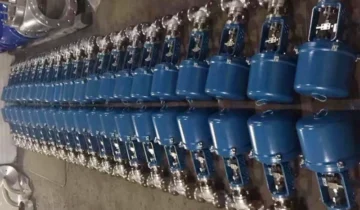
Electric Single-Seat Control Valve: Selection and Maintenance Guide

As industrial automation continues to advance, the valve, as the final control element in the process control loop, directly determines the accuracy and reliability of the entire control system. Among the many valve types, the electric single-seat control valve, with its excellent regulation accuracy, stable operating performance and reliable control characteristics, is widely used in key industries such as petrochemical,…

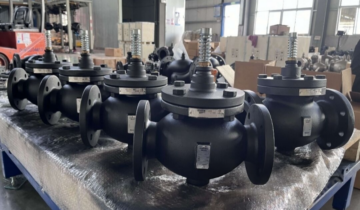
Pneumatic Three-Way Control Valve: Installation, Commissioning and Maintenance Guide

Splitting and mixing of media are common process control requirements in industrial piping systems across the petrochemical, HVAC, pharmaceutical and food, and power industries. Heat exchanger bypass temperature control, heat-medium switching in reactor jackets, and media alternation in CIP cleaning lines all call for a control valve that can precisely distribute or mix media between multiple flow paths. The pneumatic…

Self-Operated Temperature Regulating Valves in Heat Exchange Stations

Temperature Control in Heat Exchange Stations: The Central Nervous System of Heating A heat exchange station is the key hub connecting the primary heating network to the secondary user side in a district heating system. Its core task is to transfer heat from the primary network (high-temperature hot water or steam) to the secondary-side circulating water through heat exchangers, and…

Close
Close
Sign in
Close
Cart (0)

No products in the cart. No products in the cart.