
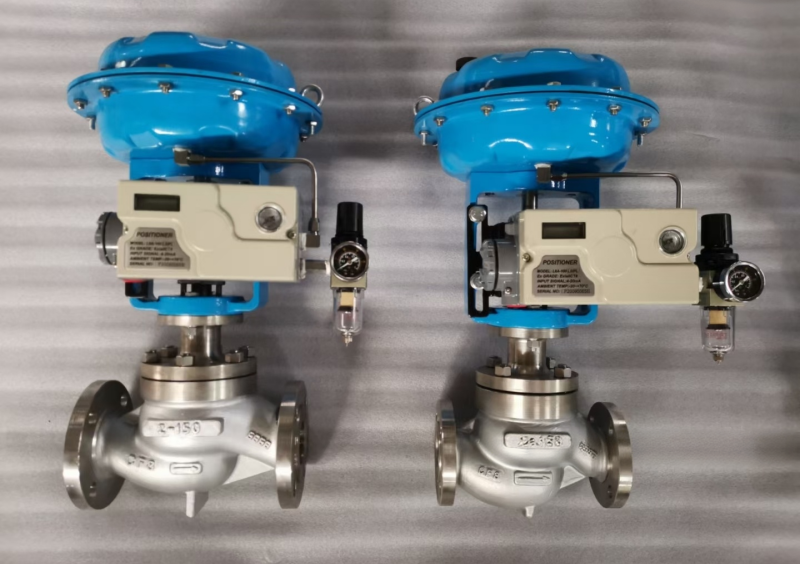
In a control loop built around a pneumatic control valve, the input variable and the output variable are the two ends of the control chain. The input variable is the signal sent by the control system to the pneumatic control valve, used to command the valve position or opening; the output variable is the controlled target parameter of the system, which may be valve position, opening, flow, pressure or temperature. Correctly determining both is the foundation of stable and accurate process control.
Determining Input Variables
Determining the input variables of a pneumatic control valve is usually based on the requirements of the control system and the specific application. The input variable is the signal sent by the control system to the pneumatic control valve, used to control the valve position or opening, thereby regulating the flow, pressure or temperature of the process fluid.
The process of determining the input variable generally includes the following steps:
- Determine the control objective: first clarify what the control system is designed to achieve (flow, pressure, temperature, etc.), based on the project requirements, process requirements or safety standards.
- Select the control strategy: choose a suitable control strategy according to the control objective, such as proportional (P), proportional-integral (PI) or proportional-integral-derivative (PID) control. Different control strategies require different types of input variables.
- Determine the control signal type: identify the signal type used by the control system: analog signals (such as current and voltage), digital signals or communication protocols. This depends on the hardware and the communication method of the control system.
- Select the input variable type: choose the appropriate input variable type based on the control signal type and the control strategy. Common input variables include current signals, voltage signals and pneumatic signals.
- Determine the input variable range: define the range and units of the input variable according to the actual application and the control system requirements. For example, flow control may use a standard volumetric flow unit (such as m³/h), and pressure control a standard pressure unit (such as pascal).
- Calibrate the input variable: calibrate and commission the input variable to ensure that the input signal accurately reflects the control system requirements and stably controls the position or opening of the pneumatic control valve.
Through the steps above, the appropriate input variable can be determined, ensuring that the control system accurately and stably controls the pneumatic control valve and achieves precise regulation of flow, pressure or temperature.
Determining Output Variables
Determining the output variables of a pneumatic control valve usually depends on the design objectives and application requirements of the control system. The output variable is the controlled target parameter in the control system; it can be the valve position, opening, flow, pressure or temperature, depending on the specific control objective.
When determining the output variable, the following factors should be considered:
- Control objective: first clarify the control objective of the system (flow, pressure, temperature or another parameter), and determine the type and range of the output variable accordingly.
- System requirements: determine the set range and accuracy requirements of the output variable according to the system requirements and performance indicators. For example, a system requiring precise control demands higher measurement and control accuracy for the output variable.
- Sensor selection: select a suitable sensor or detection device to measure the output variable, matching the sensor type and measurement range to the type and range of the output variable.
- Control strategy: determine how to use the output variable to achieve the control objective based on the control system design and strategy. The output variable usually serves as the feedback signal and participates in the closed-loop control process of the system.
For example, for a pneumatic control valve that controls flow, the output variable may be the valve opening or position, and the flow is regulated by adjusting the valve opening. For a pneumatic control valve that controls pressure or temperature, the output variable may be the real-time pressure or temperature value measured by a sensor, and the target value is controlled by adjusting the valve opening.
Conclusion
In summary, determining the input and output variables of a pneumatic control valve requires comprehensive consideration of the system control objective, performance requirements and control strategy, so as to achieve stable and precise control of the system.
 No products in the cart.