
Overview
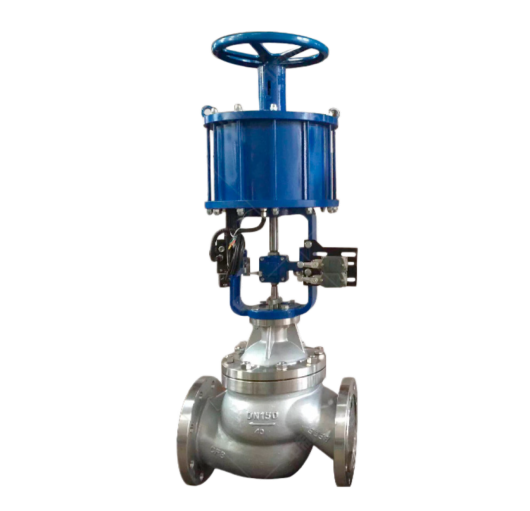
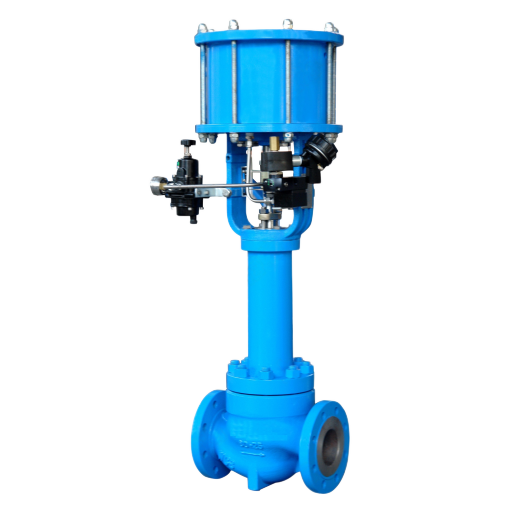
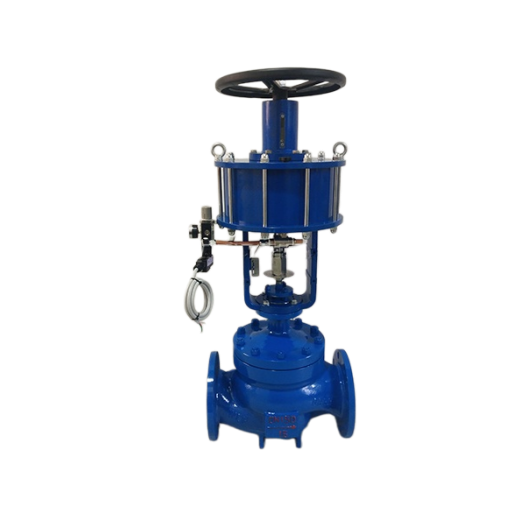
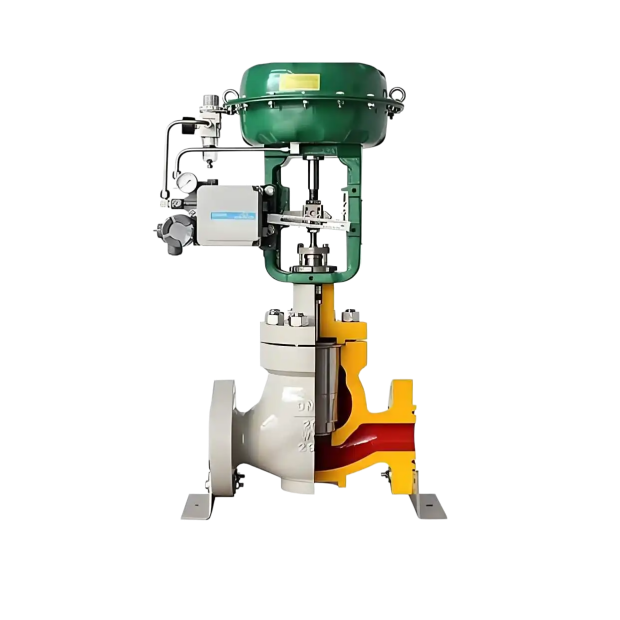
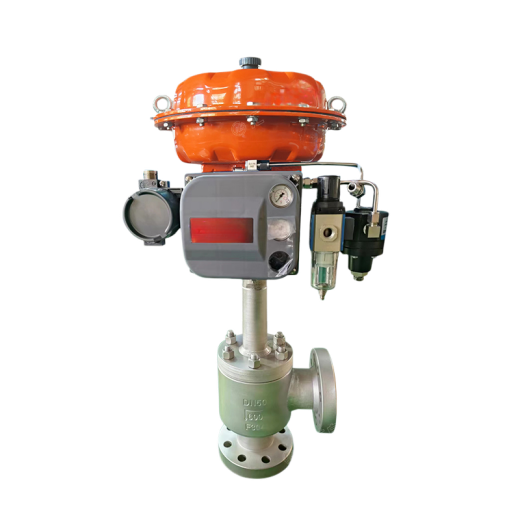
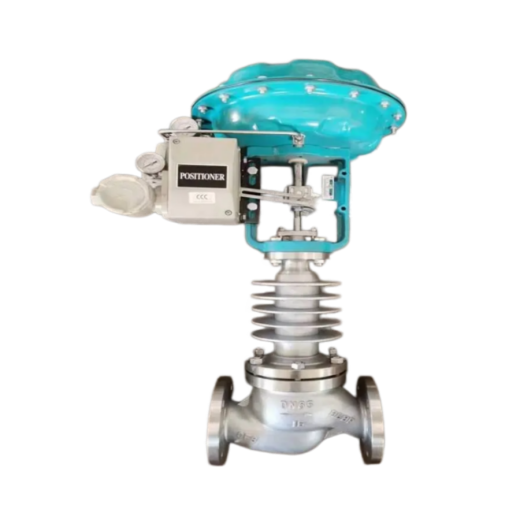
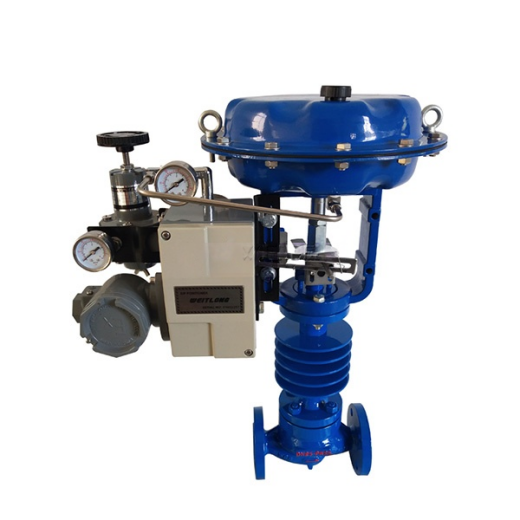
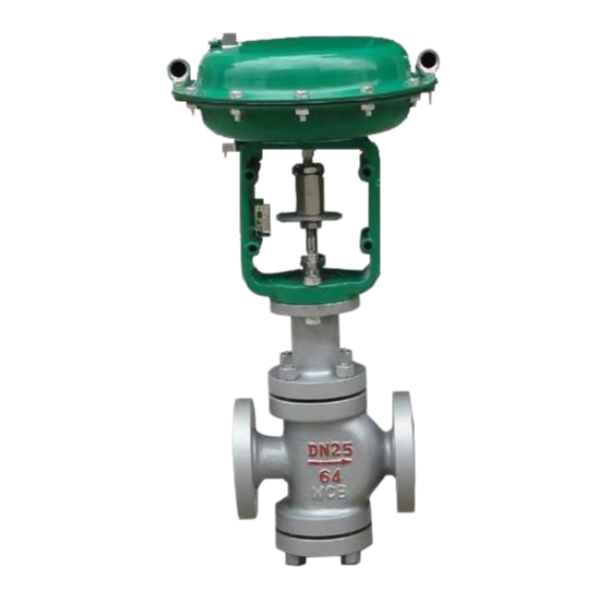
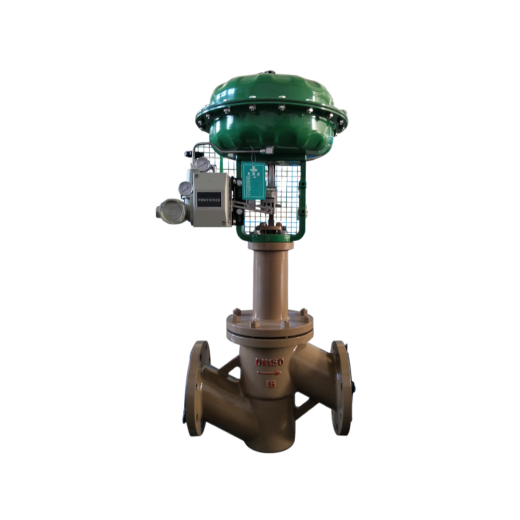
ZSQP pneumatic piston actuated quick shut-off valve is the final control element of pneumatic unit-combination instrument systems. It receives signals from the control instrument to open, shut off or divert the flow of process medium in the pipeline. The valve offers high output force, a novel body design, low flow resistance, large rated flow coefficient, high allowable differential pressure and excellent sealing performance, and is therefore widely used in automatic and remote control systems in the petroleum, chemical, metallurgical, power, textile and light industries.
An optional manual override (handwheel) mechanism is available, allowing the valve to be operated manually when the air supply is unavailable or during commissioning.
Features
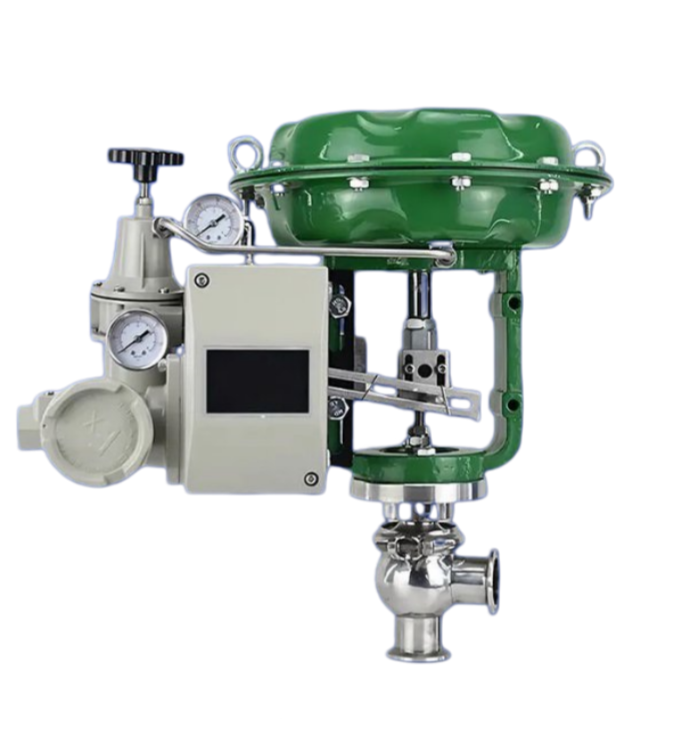
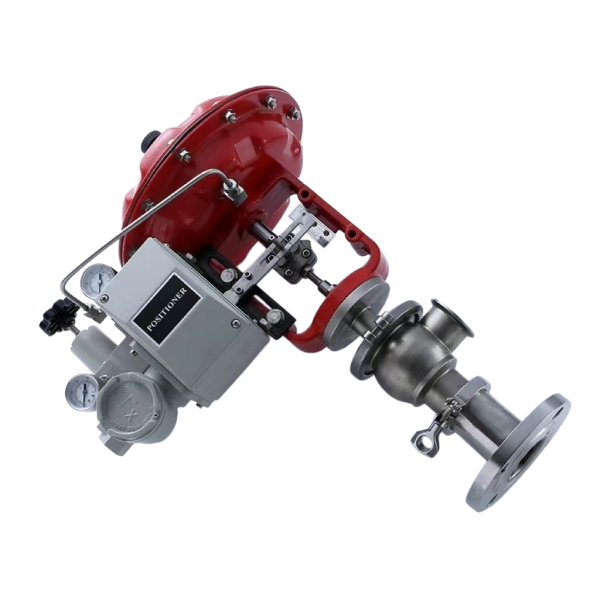
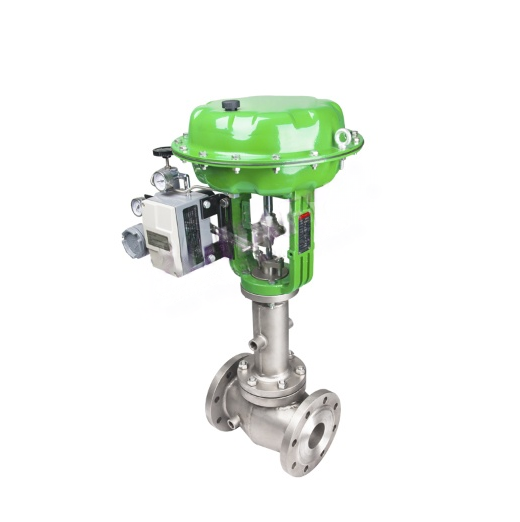
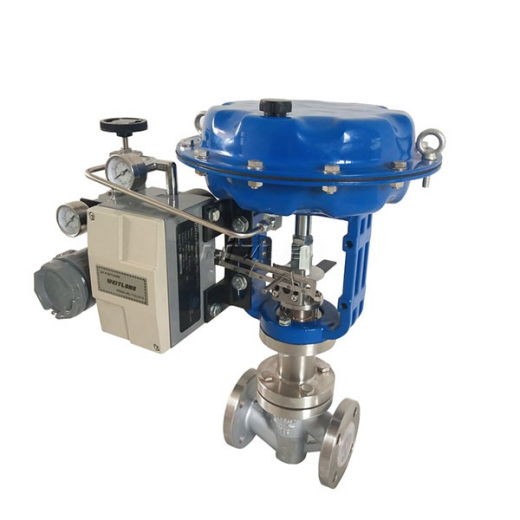
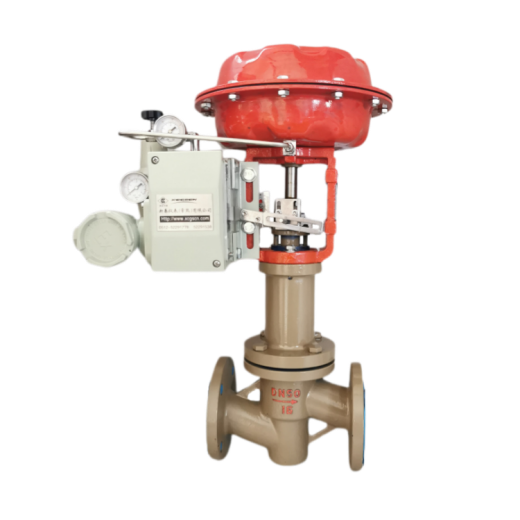
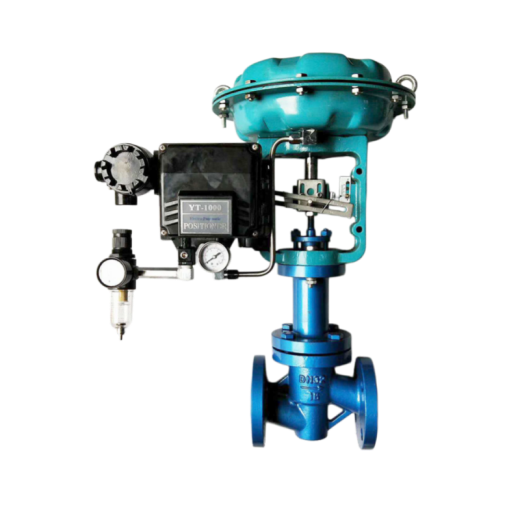
- Consists of a pneumatic piston actuator and a linear-motion control valve connected by a yoke.
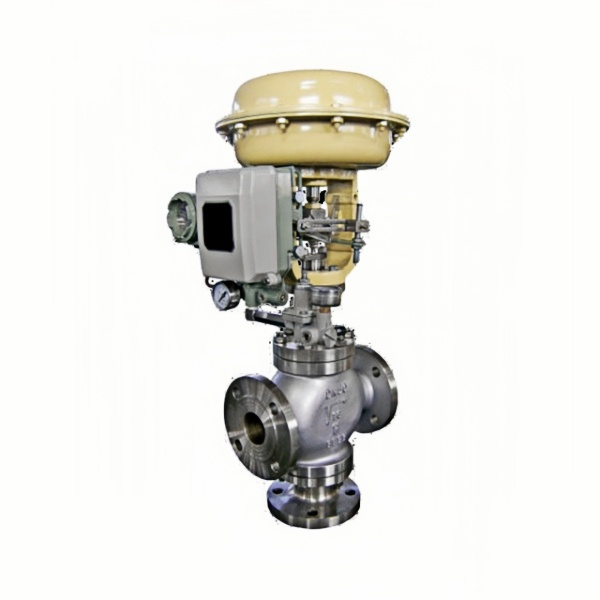
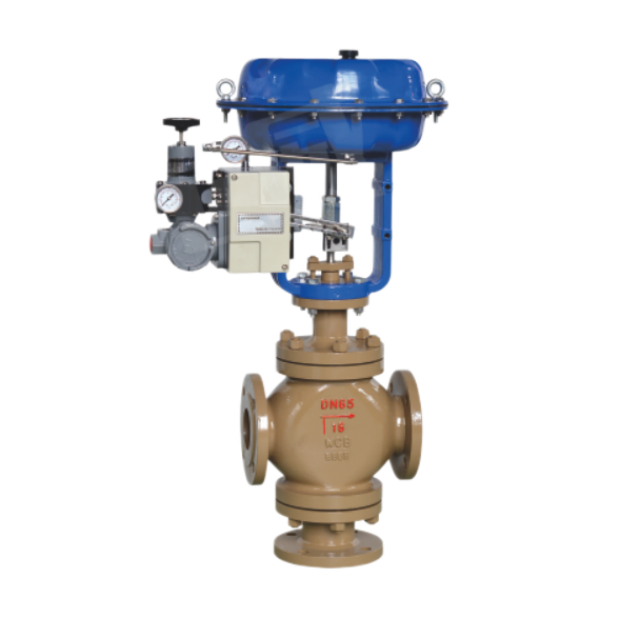
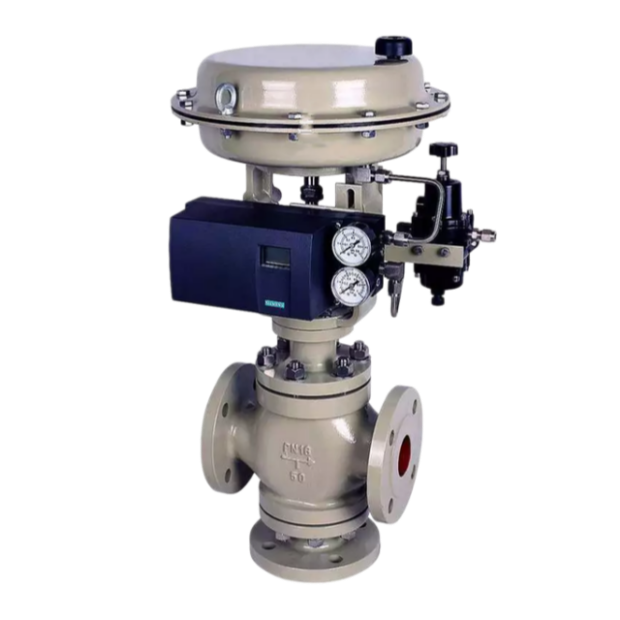
- Available in three body types: straight-through single-seat shut-off valve (ZSQP), straight-through cage shut-off valve (ZSQM) and 2-position 3-way shut-off valve (ZSQN).
- Single-acting (spring return) or double-acting (double air supply) piston actuator; air-to-close type (valve open, pipeline connected, on air failure) or air-to-open type (valve closed, pipeline shut off, on air failure).
- Hard-seat or soft-seat design for different temperature and pressure requirements.
- Operating principle: when the signal pressure is zero, the plug is held in its initial position (normally open or normally closed) by the spring preload (single-acting only). When the actuator receives a signal pressure of 0.4-0.6 MPa, the piston generates thrust, compresses the spring and drives the push rod and plug to the limit position, fully opening or fully closing the valve to connect, shut off or divert the medium. A 2-position 3-way solenoid valve can be fitted for convenient and simple control.
Main Parts Materials
| Component | Material |
|---|---|
| Valve Body | HT200, ZG230-450, or lined with the above materials |
| Diaphragm | NBR, natural rubber or PTFE bellows |
| Actuator Diaphragm | NBR reinforced with polyester fabric |
| Spring | 60Si2Mn |
Specifications & Technical Parameters
| Nominal Diameter DN (mm) | 20 | 25 | 32 | 40 | 50 | 65 | 80 | 100 | ||
| Rated Flow Coefficient Kv | 7 | 11 | 20 | 30 | 48 | 75 | 120 | 190 | ||
| Rated Stroke (mm) | 8 | 12 | 20 | 25 | ||||||
| Cylinder Bore Diameter (mm) | 75 | 100 | 150 | |||||||
| Allowable Leakage | Hard Seat (L/h) | Single-seat and 3-way: 1.2 × 10⁻⁷ × rated valve capacity; Cage: 5 × 10⁻⁶ × rated valve capacity | ||||||||
| Soft Seat | Class VI | |||||||||
| Working Temperature (°C) | -20 ~ 200, -40 ~ 450 | |||||||||
| Nominal Pressure PN (MPa) | 1.6, 4.0, 6.4 | |||||||||
| Allowable Differential Pressure (MPa) | ZSQP | Single-acting | 1.16 | 0.66 | 0.38 | 0.6 | 0.39 | 0.47 | 0.31 | 0.20 |
| Double-acting | 6.4 | 5.0 | 2.8 | 3.3 | 2.13 | 2.71 | 1.75 | 1.11 | ||
| ZSQM | Single-acting | Nominal pressure | ||||||||
| Double-acting | ||||||||||
| ZSQN | Single-acting | 0.89 | 0.57 | 0.35 | 0.56 | 0.36 | 0.45 | 0.30 | 0.20 | |
| Double-acting | 5.2 | 3.22 | 2.03 | 2.27 | 1.46 | 2.00 | 1.32 | 0.85 | ||
| Signal Pressure (kPa) | 0 or 400 ~ 600 | |||||||||
Note: The actuators listed in the table are standard configurations; optional selections can be made according to process requirements.
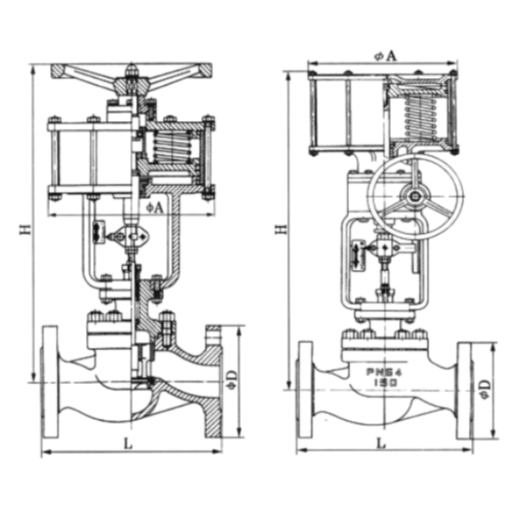
Overall Dimensions & Weight
| Nominal Diameter DN | L | A | H | L1 | H1 | A1 | Weight (kg) | Signal Connection Thread |
|---|---|---|---|---|---|---|---|---|
| 20 | 150 | 130 | 220 | 80 | 115 | 100 | 10 | M10×1 |
| 25 | 160 | 130 | 220 | 80 | 120 | 100 | 12 | |
| 32 | 180 | 150 | 235 | 80 | 130 | 100 | 15 | |
| 40 | 200 | 150 | 235 | 95 | 138 | 120 | 18 | |
| 50 | 230 | 150 | 240 | 95 | 155 | 120 | 25 | |
| 65 | 290 | 280 | 250 | 105 | 178 | 160 | 30 | |
| 80 | 310 | 280 | 260 | 105 | 207 | 160 | 40 | |
| 100 | 350 | 280 | 265 | 105 | 222 | 160 | 60 |
Connection Dimensions & Standards
| Item | Description |
|---|---|
| Flange Standard | Cast iron flanges: GB4216-84; cast steel flanges: GB9113-88, JB/T79-94 |
| Flange Face Type | PN16: raised face; PN40/64: male-and-female face, with the valve body being the female face |
| Face-to-Face Dimension | GB12221-89 |
| Actuator Signal Connection | M10×1 |
| Note | Valve body flanges and face-to-face dimensions can be manufactured to customer-specified standards, such as ANSI, JIS and DIN |





 No products in the cart.